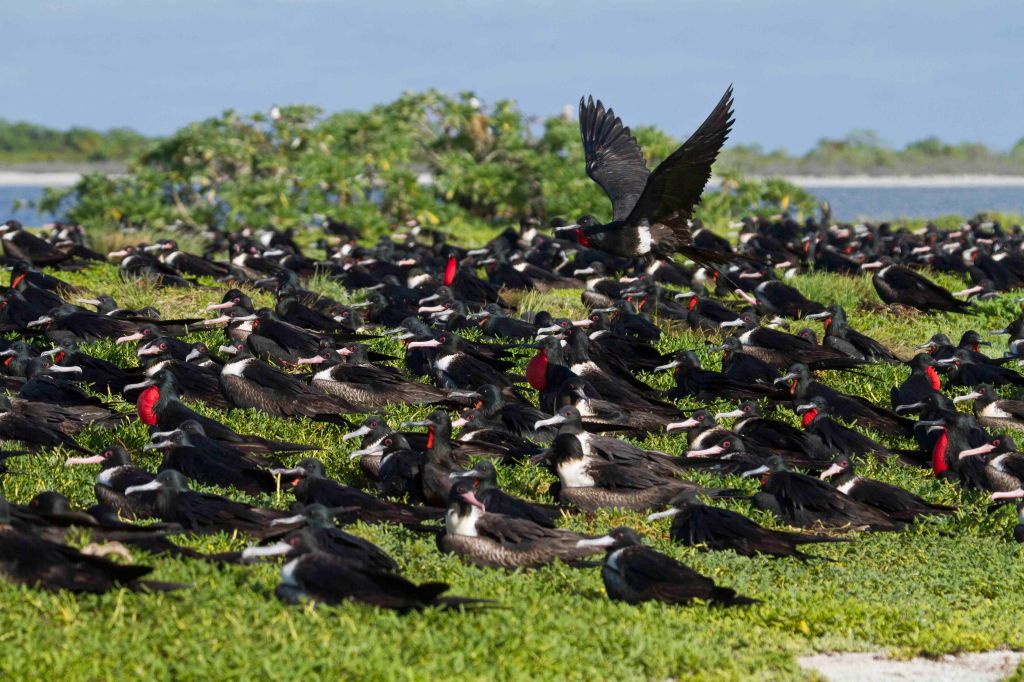
Lesser Frigatebird colony, Kiribati. Photo: Eric VanderWerf.
Gallery – all workshops
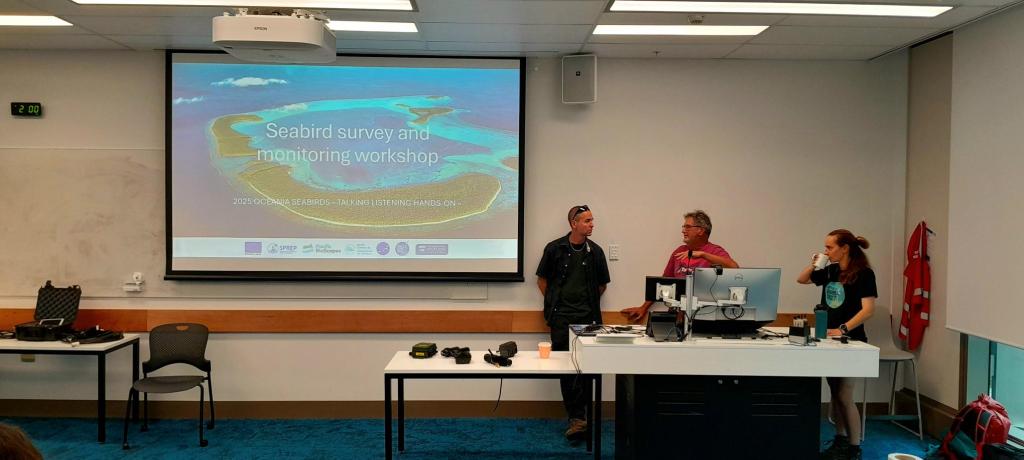
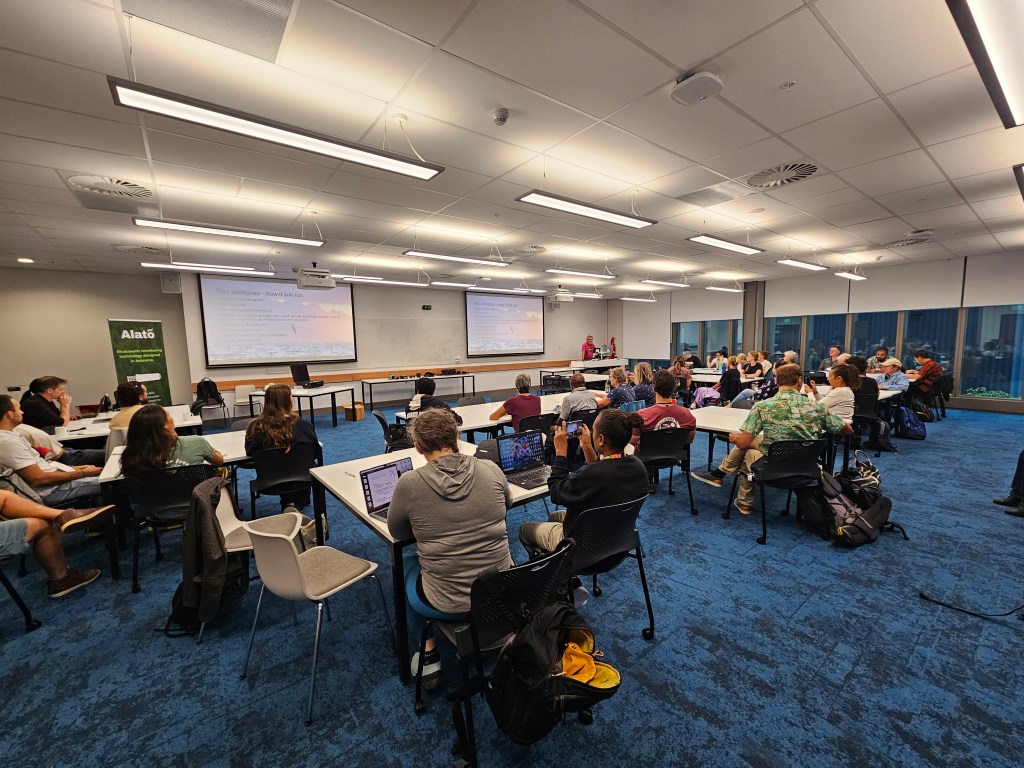
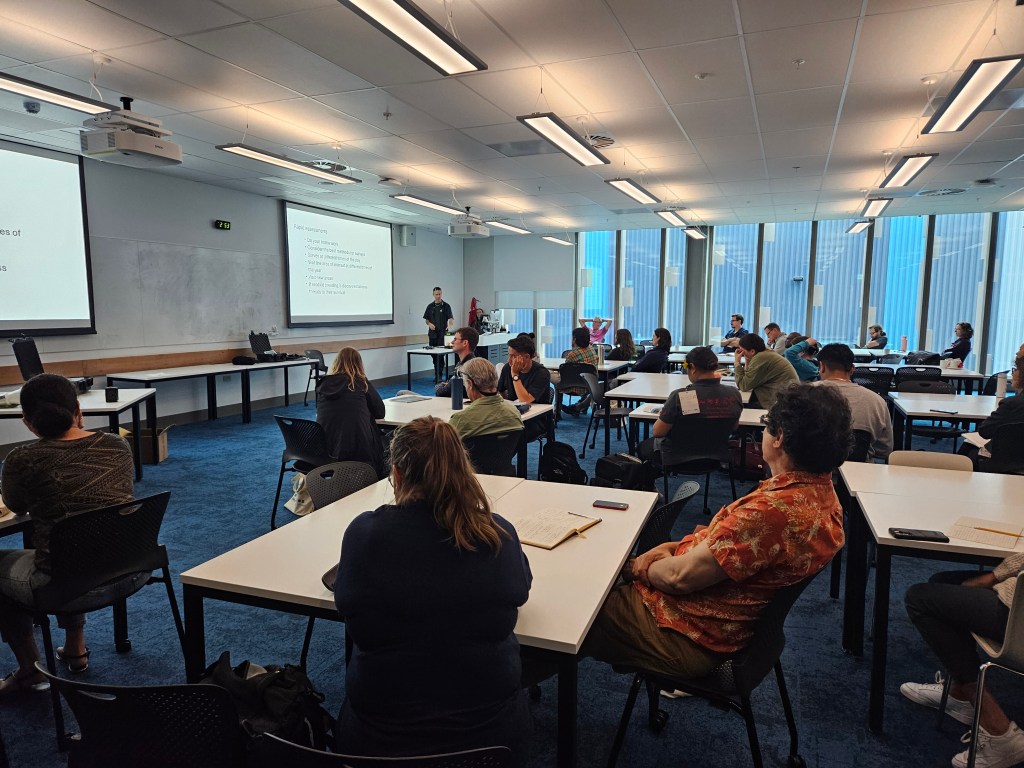
The workshops will be held on the University of Auckland campus on 16 April 2025.
8:30 Day starts
Colony surveying and monitoring 1 – Room 342 (Building 201)
Seabird restoration 1 – Room 311 (Building 201)
NB These two workshops will run concurrently – and will be repeated in the afternoon. It will be possible to attend both.
10:00 Morning tea (likely as a break during the two concurrent workshops)
11:00 – The following three workshops will run concurrently
Tackling seabird bycatch in Pacific fisheries – Room 334 (Building 201)
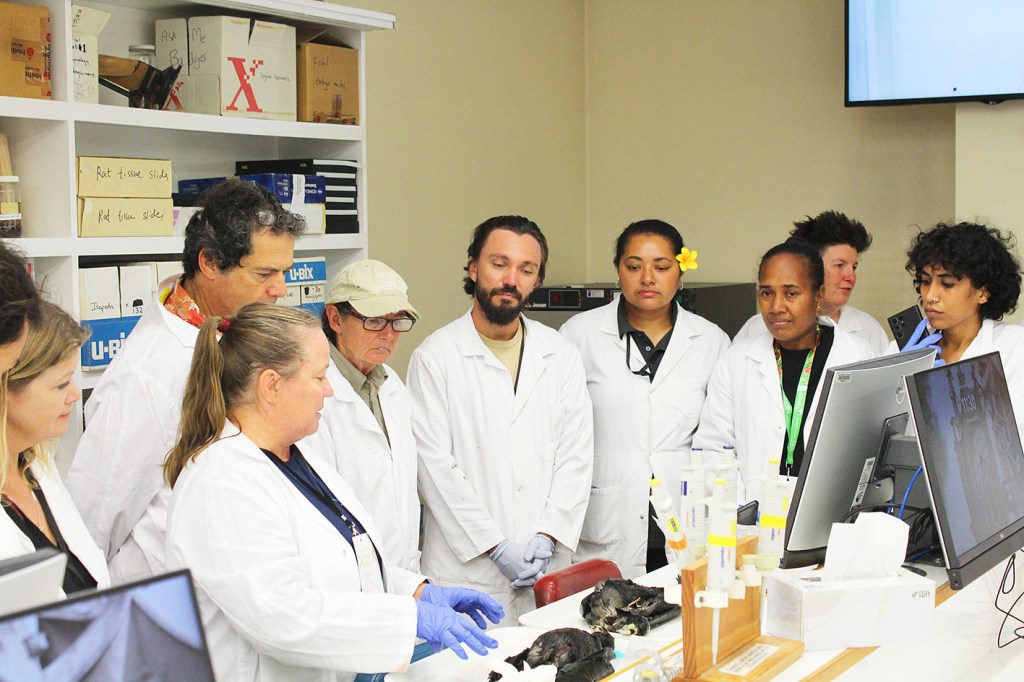
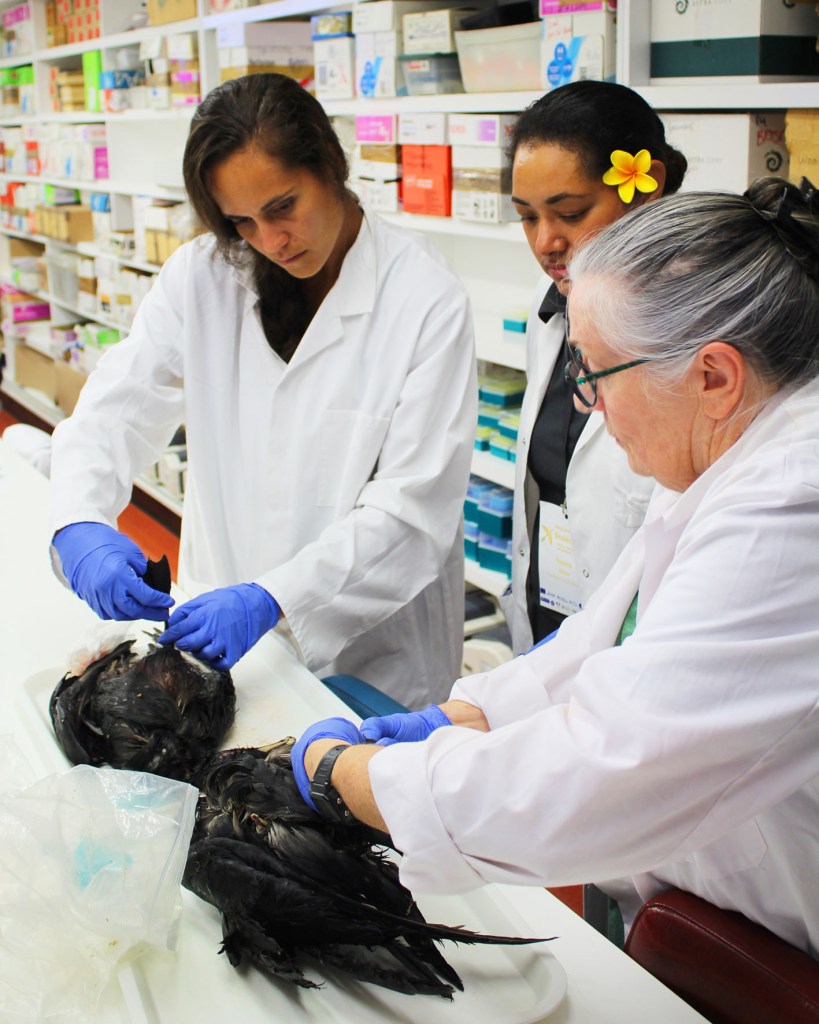
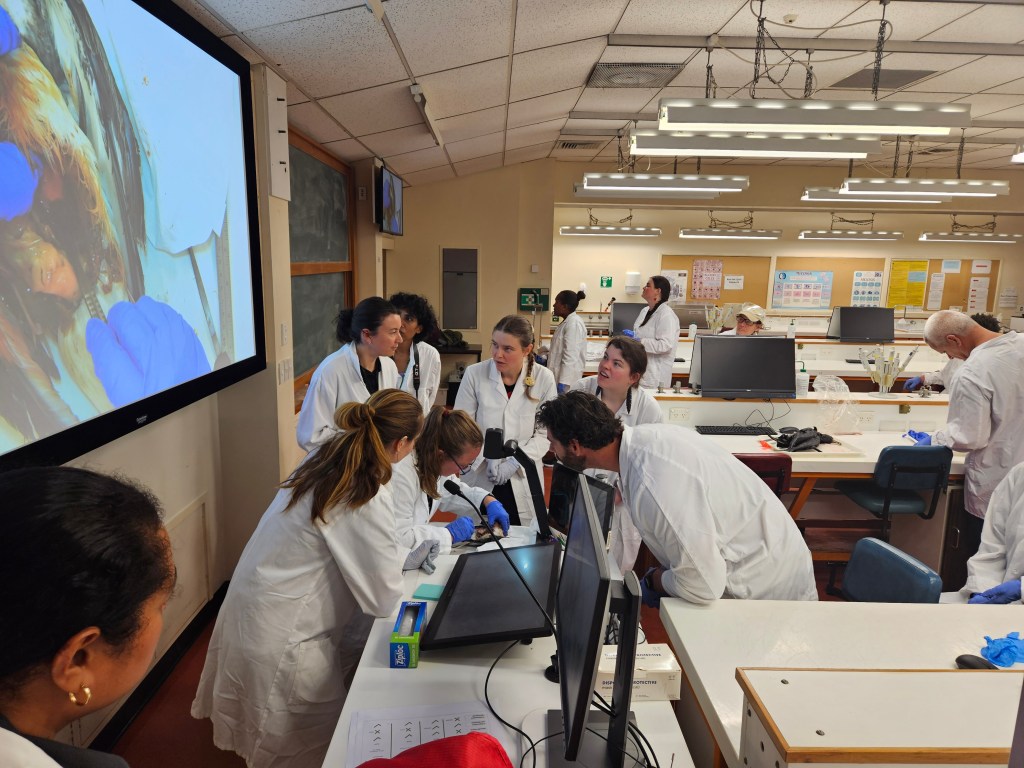
Necropsy workshop – Lab 106-307 (Science Building 106) Across Symonds Street
Seabird identification* – Room 342 (Building 201)
13:00 LUNCH in Atrium (Building 201)
14:00
Colony surveying and monitoring 2 – Room 342 (Building 201)
Seabird restoration 2 – Room 311 (Building 201)
15:30 Afternoon tea (as a break during these two concurrent workshops)
17:00 Day ends
- A seabird ID display with specimens/skins will be in the same room as the Colony surveying and monitoring methods workshop (Room 342). We may hold a seabird id workshop concurrently with the necropsy and fisheries workshops (TBA). A seabird ID display will be set up with the posters and exhibitors in the Atrium for the first two days.
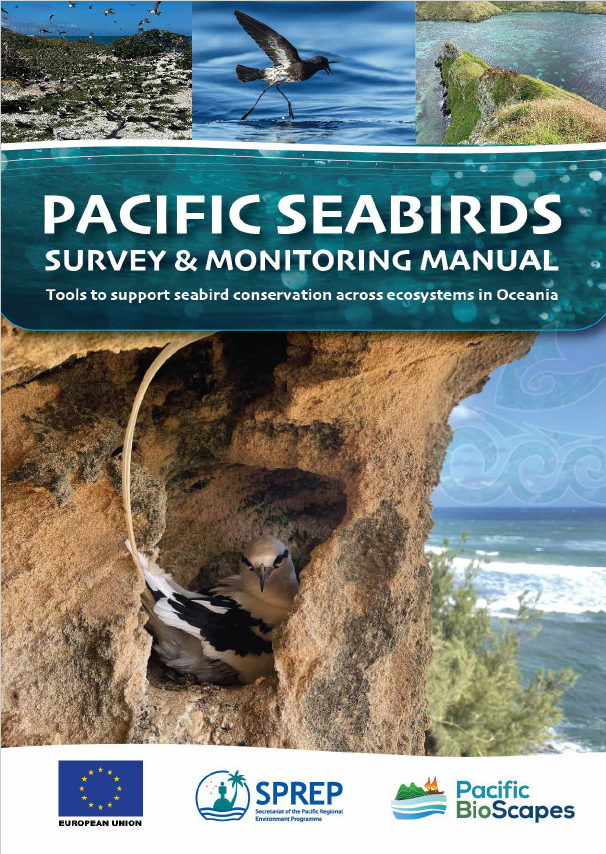
- Colony surveying and monitoring methods: Well-designed seabird projects rely on managers and researchers utilising appropriate surveying and monitoring techniques and equipment. Knowing what to use, and when, are important components of success. This workshop will therefore consider some of the key surveying and monitoring methods available to researchers and managers embarking on seabird conservation projects in the Pacific. We will explore a range of options including trail cameras, acoustic sensors, burrow scopes and various tracking technologies. These will be discussed in the context of project design, with a consideration of the importance of seasonal timing, species-specific considerations, ethical considerations, funding availability and project goals. Included, will be an introduction and tutorial for the Pacific Seabird Colony Database via the Inform Pacific Environmental Portal within SPREP’s website. The workshop will also coincide with the official launch of the new SPREP Pacific Seabird Survey & Monitoring Manual, and copies will be available at the workshop for participants! To be run by André Raine (Archipelago Research & Conservation) and Chris Gaskin (Northern New Zealand Seabird Trust), with Lagi Reupena (SPREP).
- Seabird restoration – Seabird restoration is the ‘long game’. This often follows the intensive, sometimes dramatic (and expensive) eradication of unwelcome predators that have devastated or extirpated populations of seabirds from an area or islands. Doing nothing following eradications can sometimes lead to self-reintroduction or recovery of seabird populations. A more hands-on approach is often necessary to speed up the commencement of this process or quickly safeguard particularly threatened seabird species. This latter reason can be enough to commence a restoration process, but bigger issues may also be at play. Sites traditionally teaming with seabirds have evolved an ecology that requires the regular input of marine-derived nutrients, without which, these systems become functionally fragile. This often leads to higher levels of weed invasion, catastrophic storm damage to vegetative communities and depauperate terrestrial animal (mostly invertebrate) communities that once relied on seabird-derived nutrients to super-charge their systems. Creating predator-free sites on islands with rural or urban human populations can showcase the importance of this linkage and drive the community response to better manage or remove predators from larger landmasses. This workshop will explore the use of attraction techniques, including sound, decoy use and artificial burrows. It will cover translocation techniques for a range of functional seabird groups. The methods of fencing of ‘mainland’ sites and predator control will also be discussed. This workshop will be run by Graeme Taylor (DOC NZ), Cathy Mitchell (translocations expert NZ), Nicholas Carlile (Æstrelata Restorations, Australia) and one other TBC.
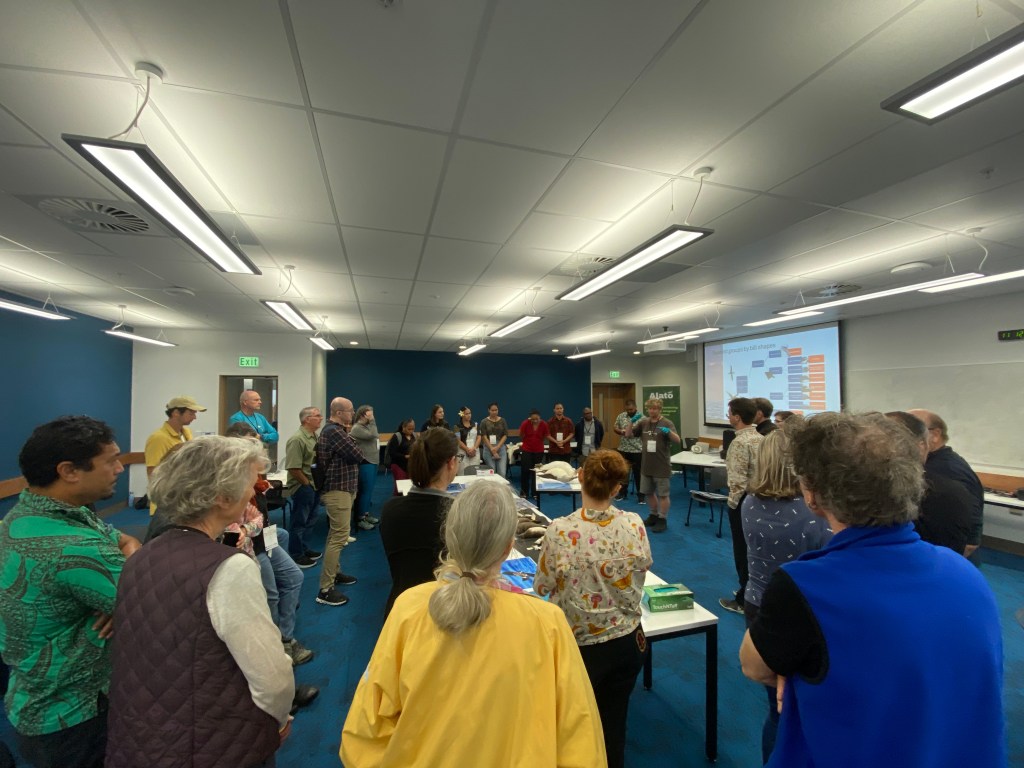
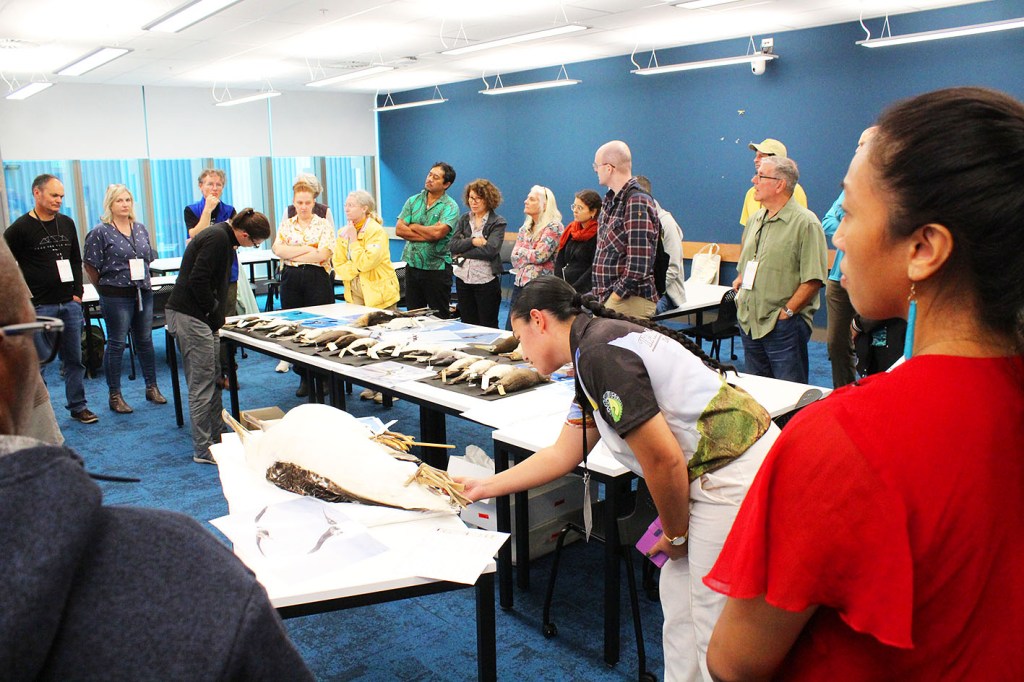
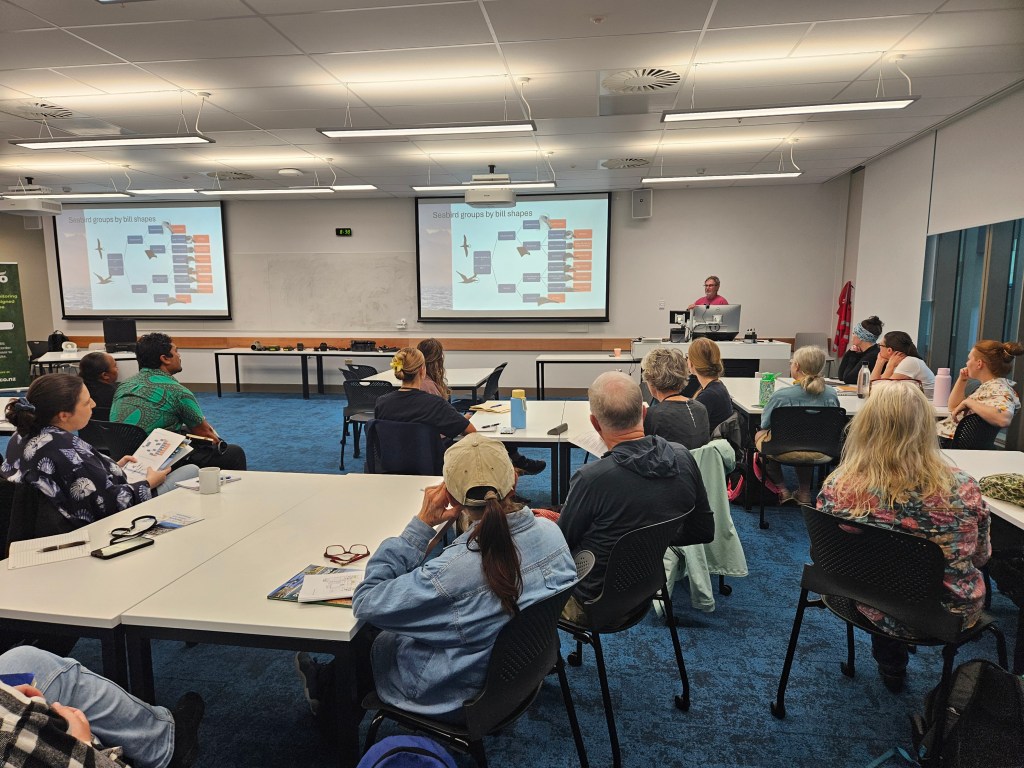
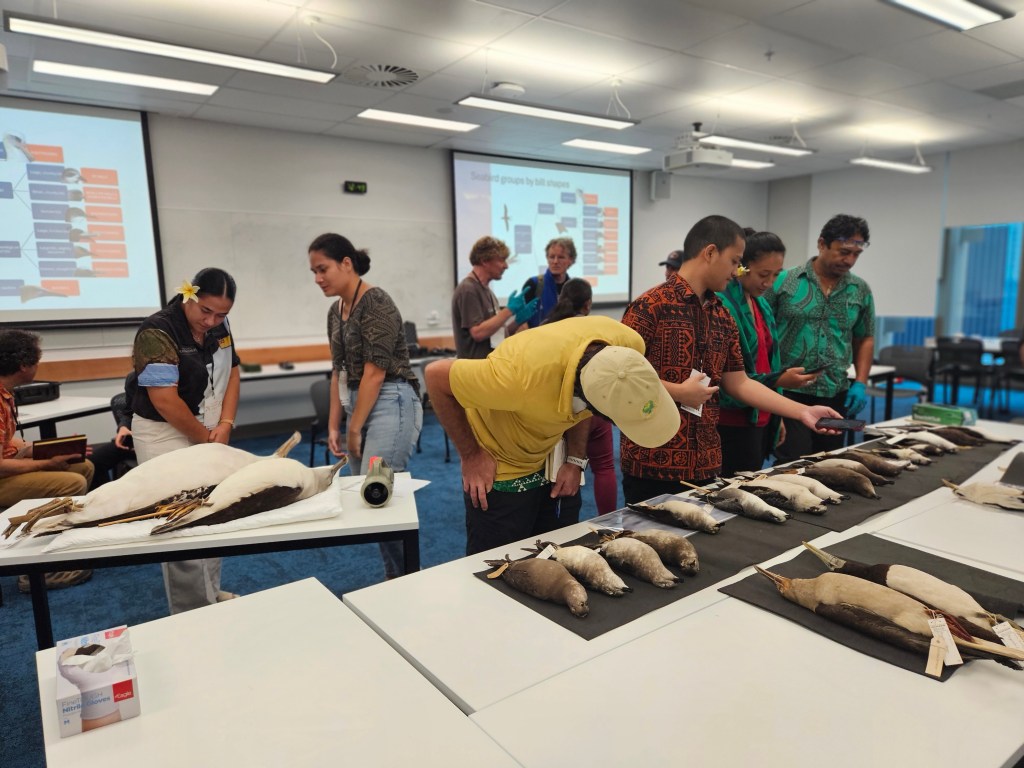
- Seabird identification – with physical example specimens of many species (appropriately curated and handled). This would be invaluable for people to realise the size difference just as much as understanding the different plumages of different species. We take it for granted that people know what they are looking at, just getting people to see the birds as different species is a huge step forward. One output might be to produce sets of bill-profiles of most common species for each island group.
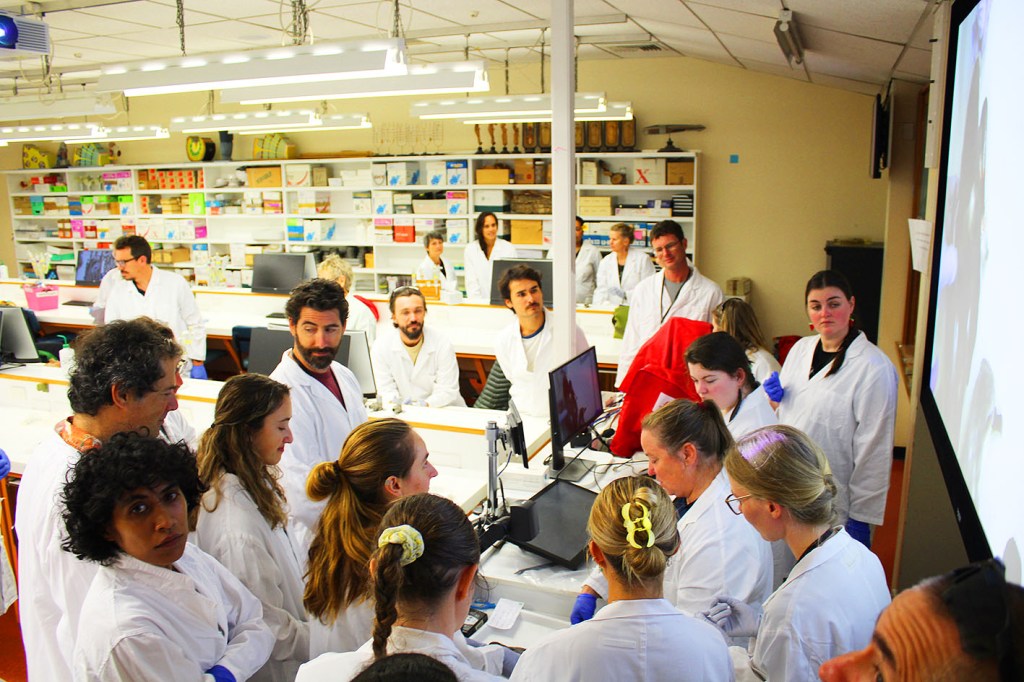
- Necropsy workshop – dissection of shearwaters and petrels; held in one of the University of Auckland’s science labs led by Biz Bell (Wildlife Management International) around value of tissue sampling, outline subsequent analyses with examples: stable isotopes, heavy metals.
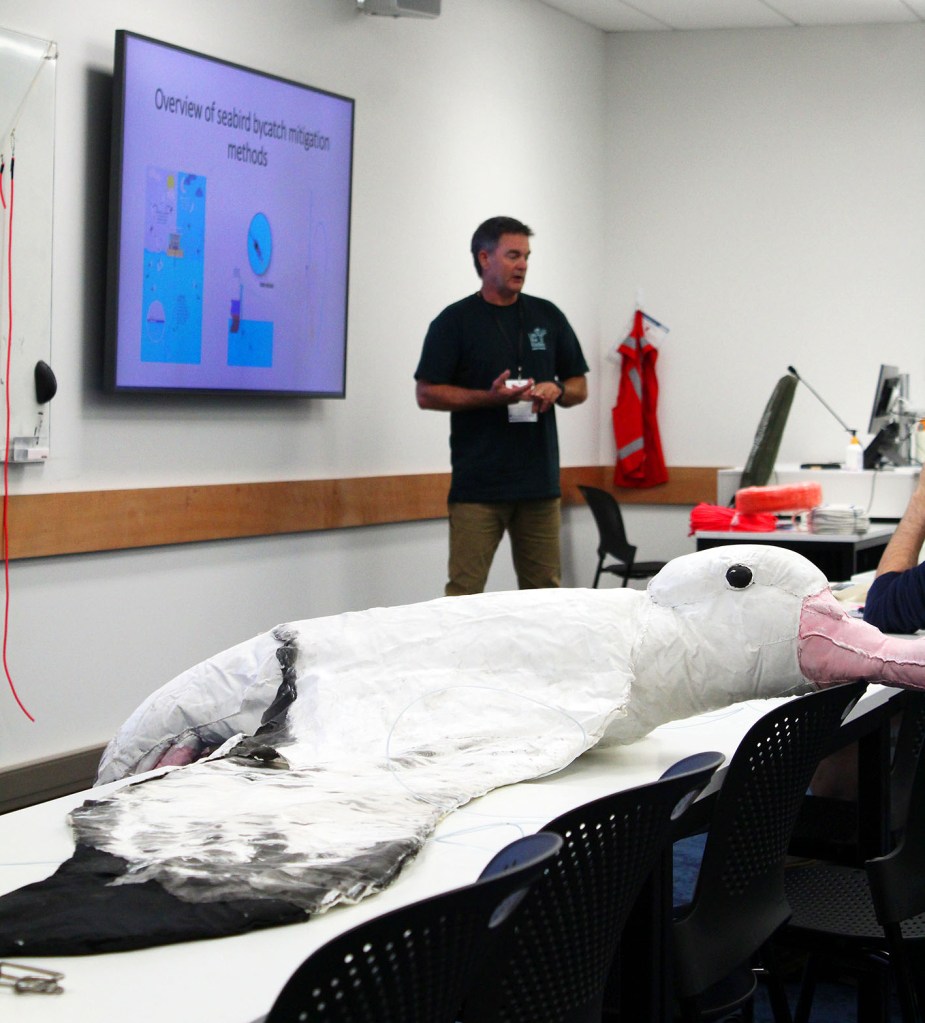
- Tackling seabird bycatch in Pacific fisheries: Fisheries bycatch poses the single greatest threat to many seabird species globally. Bycatch in pelagic longline fisheries operating out of many Pacific Island ports for tuna and associated stocks is of particular concern. While there are regulations for the implementation of mitigation measure to prevent seabird bycatch through fisheries management organisations, implementation on the water could be improved, and fleets regularly call for implementation support. This workshop will offer interactive demonstrations of bycatch mitigation tools, discuss approaches to support implementation of vessel specific mitigation tools, and cover strategies for designing successful port-based outreach for seabird bycatch awareness, and implementation of mitigation measures in tuna longline fisheries on the high seas. These in-depth discussions will be led by the New Zealand Department of Conservation’s Fisheries Liaison Programme manager and BirdLife International’s Fiji Port-Based Outreach officer.
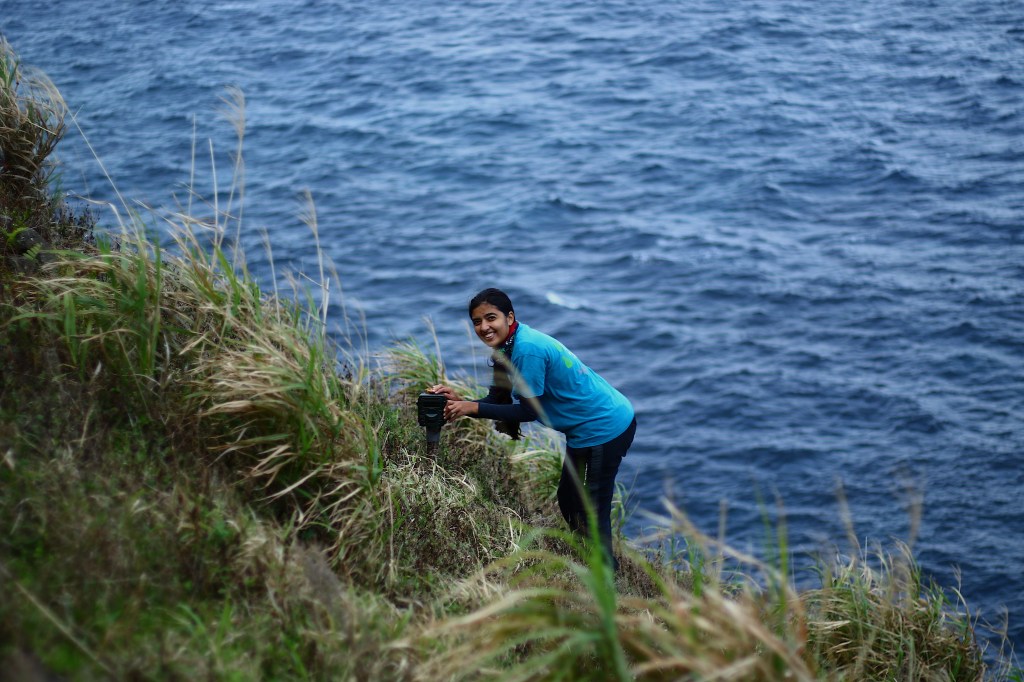
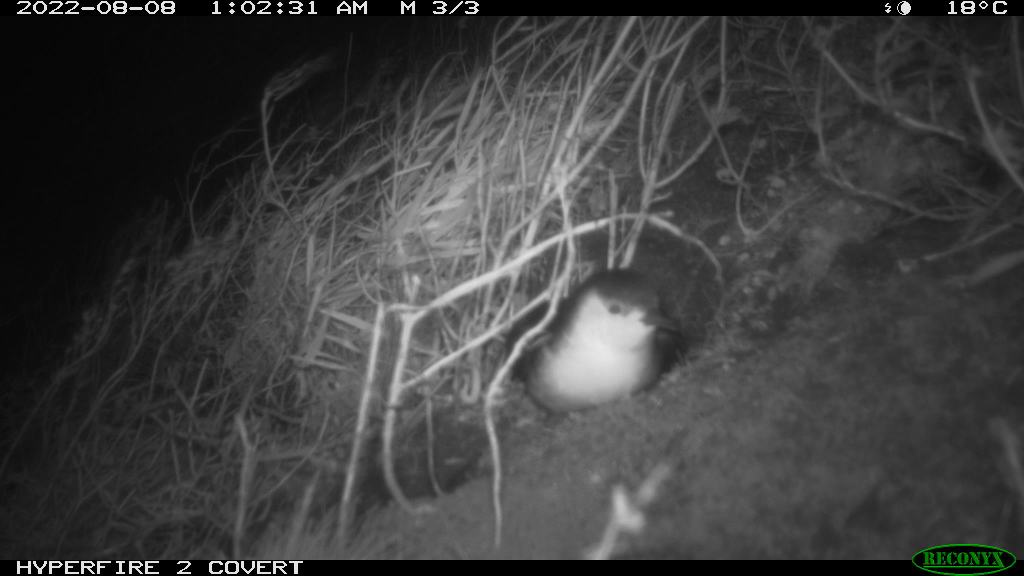
Above and below. Setting up trail camera for Rapa shearwater activity around burrows, Rapa iti. Photo: SOP Manu

 Oceania Seabirds 2025: talking, listening & hands-on